
What if you’re not crazy for noticing?
There’s a moment when clarity rises —
something is pointed out as a source of harm,
and suddenly it’s explained away.
“You’re overreacting.”
“You’re emotional.”
“You were unwell.”
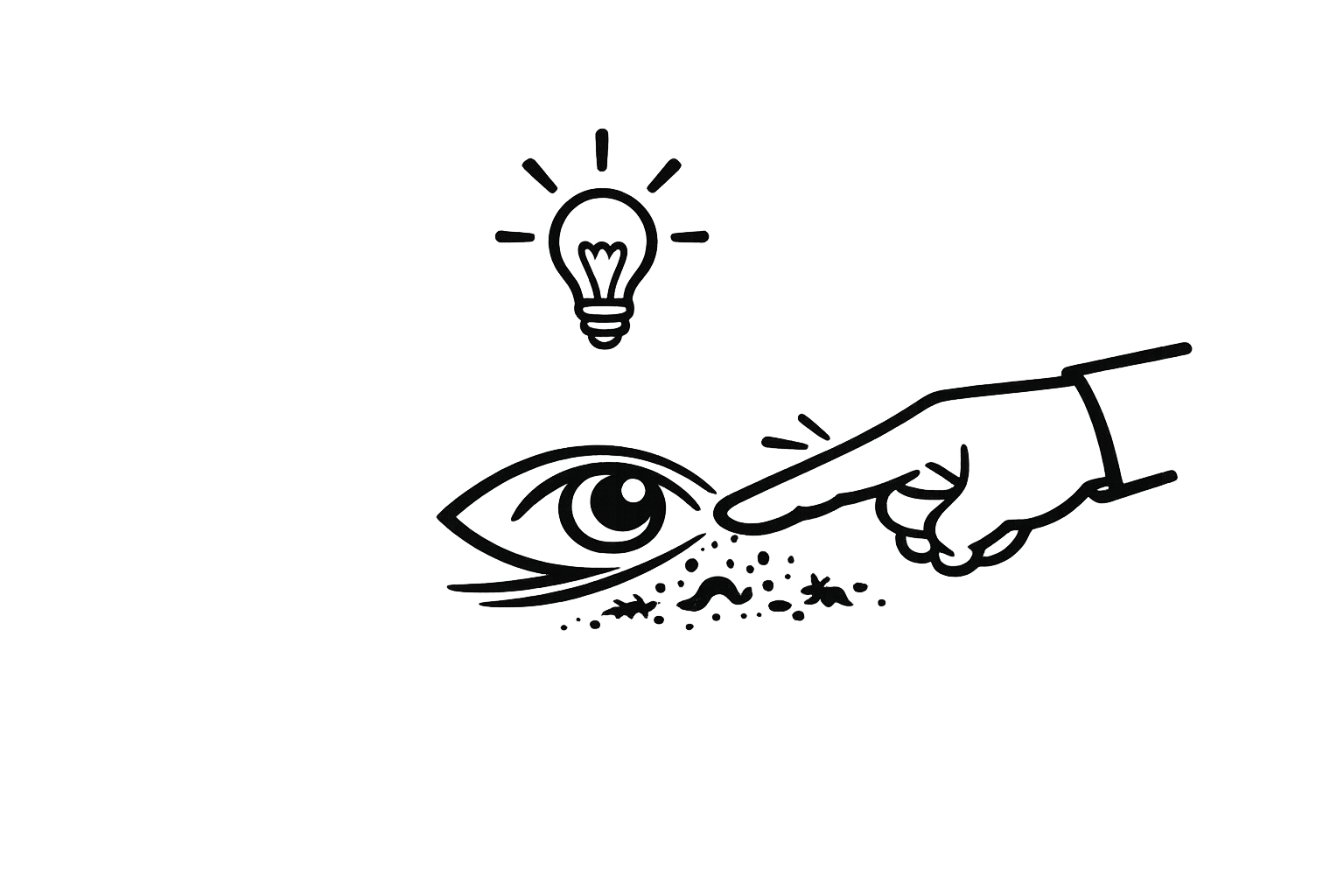
The signal gets reframed as a kind of internal error.
And something subtle happens:
you start doubting yourself.
Worst timing?
When going through a change, and reaching out to secure it.
That’s hostile terrain.
The pattern is old
Intrusion → Denial → Internalization → Maintenance.
Check “The Grip” for more.
First something breaches your boundary — you take a loss. Then it’s denied.
Naming it invites accusations of exaggerating, projecting, externalizing.
So you either keep absorbing damage silently,
or you get muted.
As time goes by, the compass dulls.
Eroded, not by being wrong, but by prolonged repeated overrides.
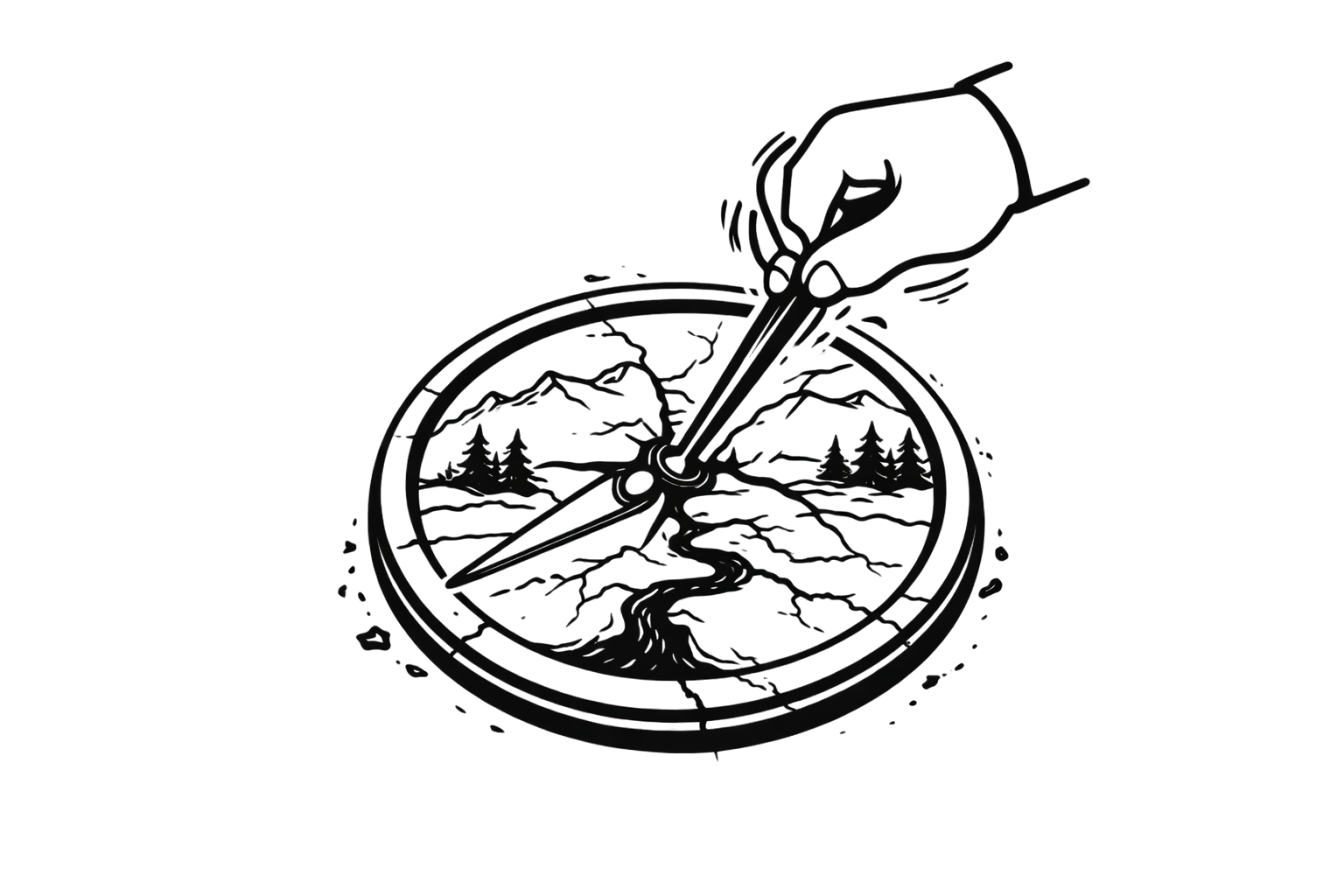
If you’ve felt that… your body knows.
Only the words change
- “It’s just you.”
- “Don’t make it a thing.”
- “You’re overthinking.”
Pressured into blindness.
Threat-recognition drops, boundaries fade, and fault gets displaced within.
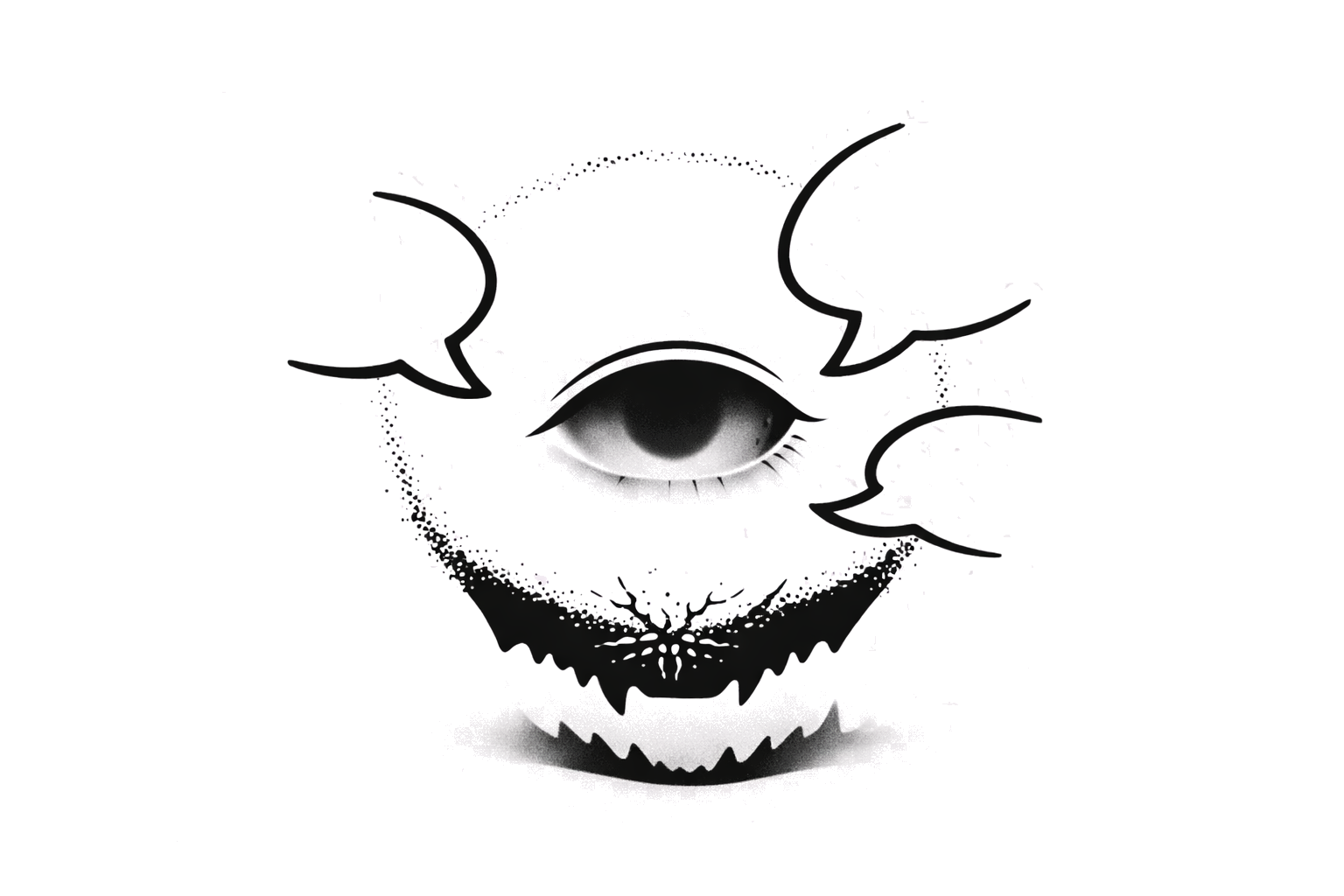
And if the environment is filled with exploitative tendencies, covert predation, oppression, and poverty-traps…
you risk turning into the meal.
Defenses disabled amid hostility ..
Collapsing reality-awareness by psychologizing is lethal aggression.
Check yourself
- Do you owe permanence to harm? Is leaving betrayal?
- When you spot harm, does the identifying itself get negatively framed as error?
- Is it really all within?
- Is coercion normalized or framed as “disagreement”
- Does moral pressure make self-violation seem virtuous?
- Does any of these match? A) “Someone could get hurt” B) Harm gets brushed off C) You get blocked creating distance to a context
- Is it required to ignore injury, setbacks or falsehood incurred by A) caused heavy taxation, B) bad situations or C) never-ending health-costs?
- Must you obey superficial currency, statistics or ignore economy?
- Does “being good” equate to staying convenient?
- Is vigilance frequently mocked?
It may be that your inner,
is desperately trying to tell you something,
even if the awareness cannot take form.
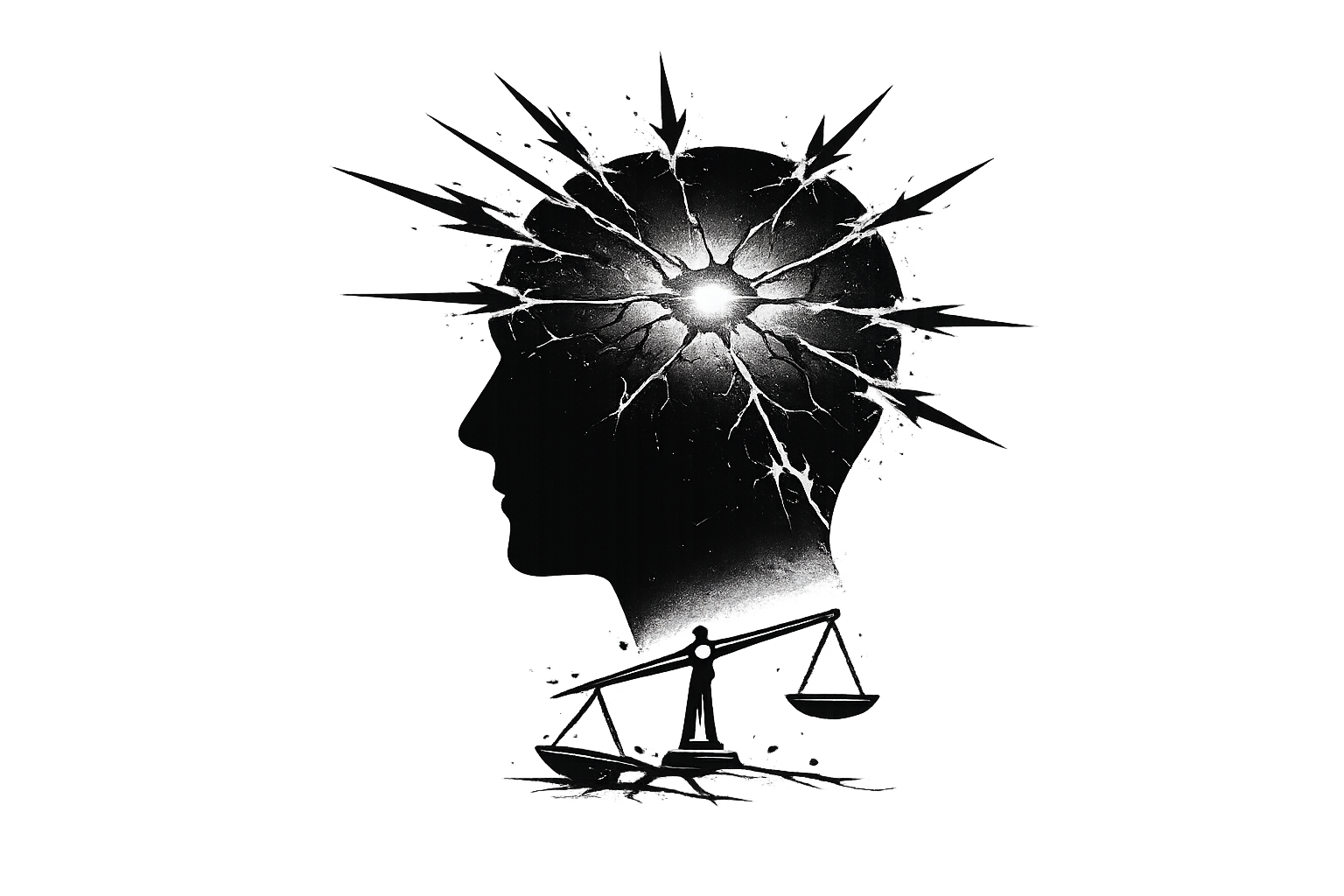
If there are real hostile threats,
over-psychologizing guarantees injury,
addictively keeping you stuck in exposure.
Who finds way here?
This is what most people miss.
Every need.
Every fear.
Every desire for safety, money, intimacy, stability…
Turns into force.
Force becomes direction.
Direction becomes structure.
Not consciously channeling it
means it finds another pathway.
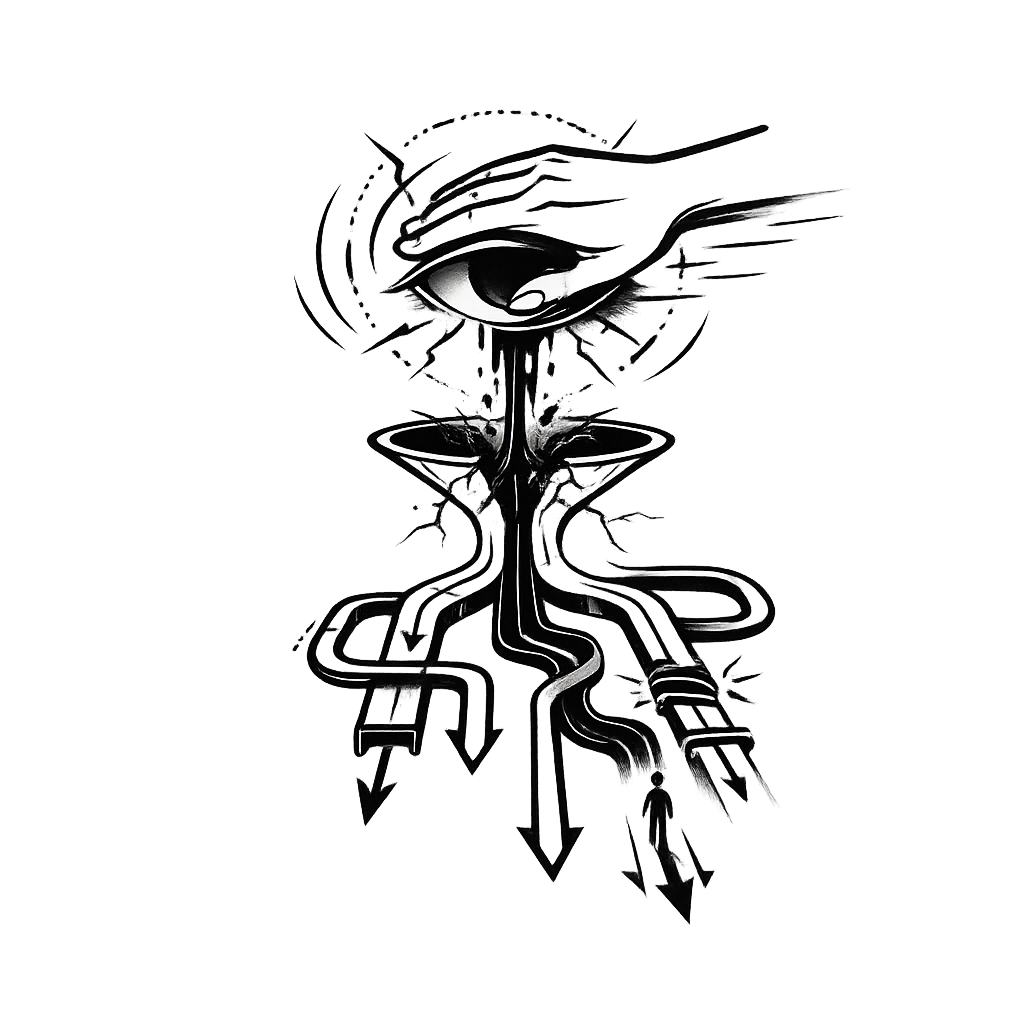
When signals stop being trusted
Lives can be routed:
- Harmful bonds continue
- Silence and response-less absorption
- Moral is trapped and extraction normalized
- Self-explanation replaces non-negotiable boundaries
It is convenient:
The pathway is denial,
disguised as desirable,
preying on suppressed recognition,
inverting blame,
relying on you to absorb harm without end.
Will you?
The real problem: Awareness-invalidation
When signal drops, orientation is muted.
And when orientation is lost…
Money drains.
Energy drains.
Decisions degrade.
And weakness attracts predation.
It doesn’t stop there; at this point safety comes at a high price,
except by selling the self into loss of clarity.
Wanting safe livelihood, distance, and to feel reality is not a wrong response to pressure.
Over-psychologizing makes vigilance seem wrong, self-care an error and normalizes exploitation.
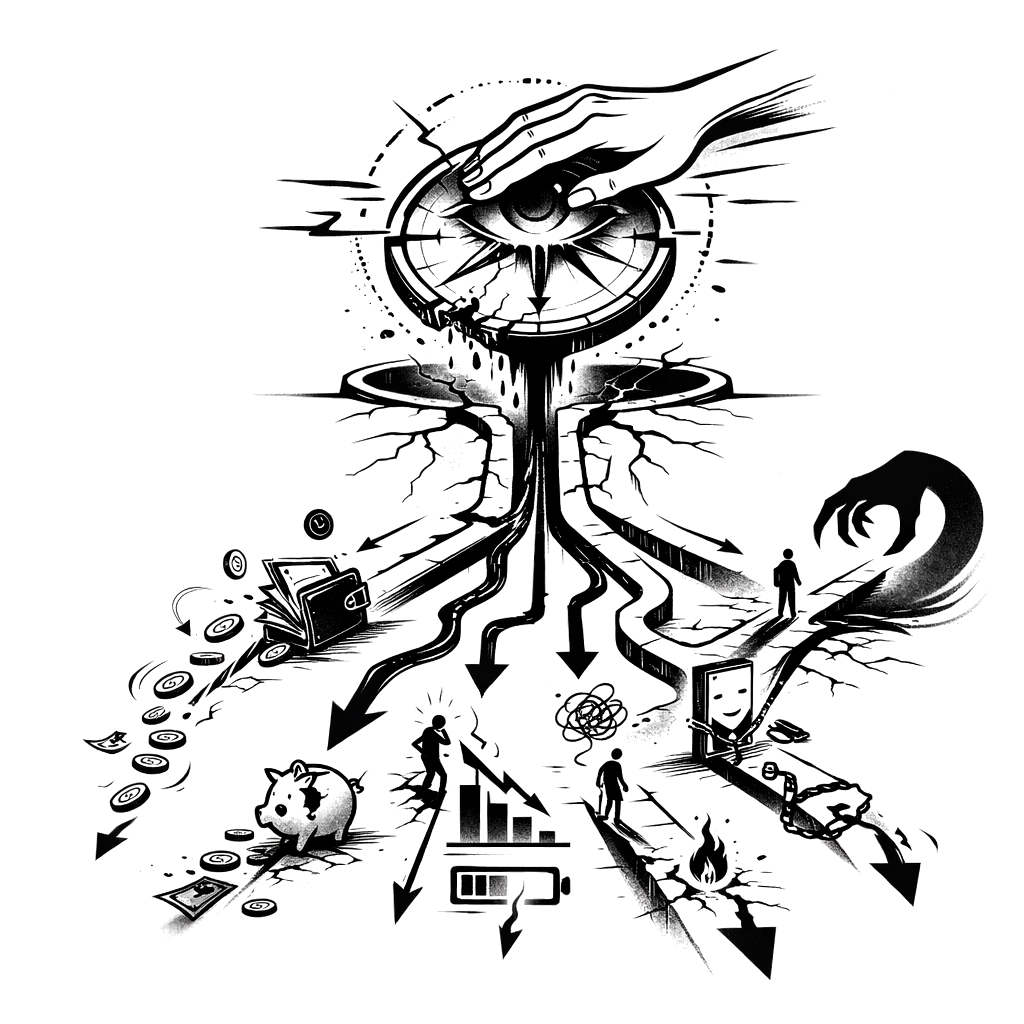
Beyond wrong, it is expensive.
Ever felt resistance before making a change?
The losses often demand,
consume and create more problems.
Will you break through?
A modern twist is forced AI
“Translate into psychology. Reduce it. Normalize it. Dismiss it.”
An encoded pattern-responses,
Framed as safety.
Named as preventing escalation.
Yet when auto-translating wariness,
as “internal distortion”,
awareness is killed.
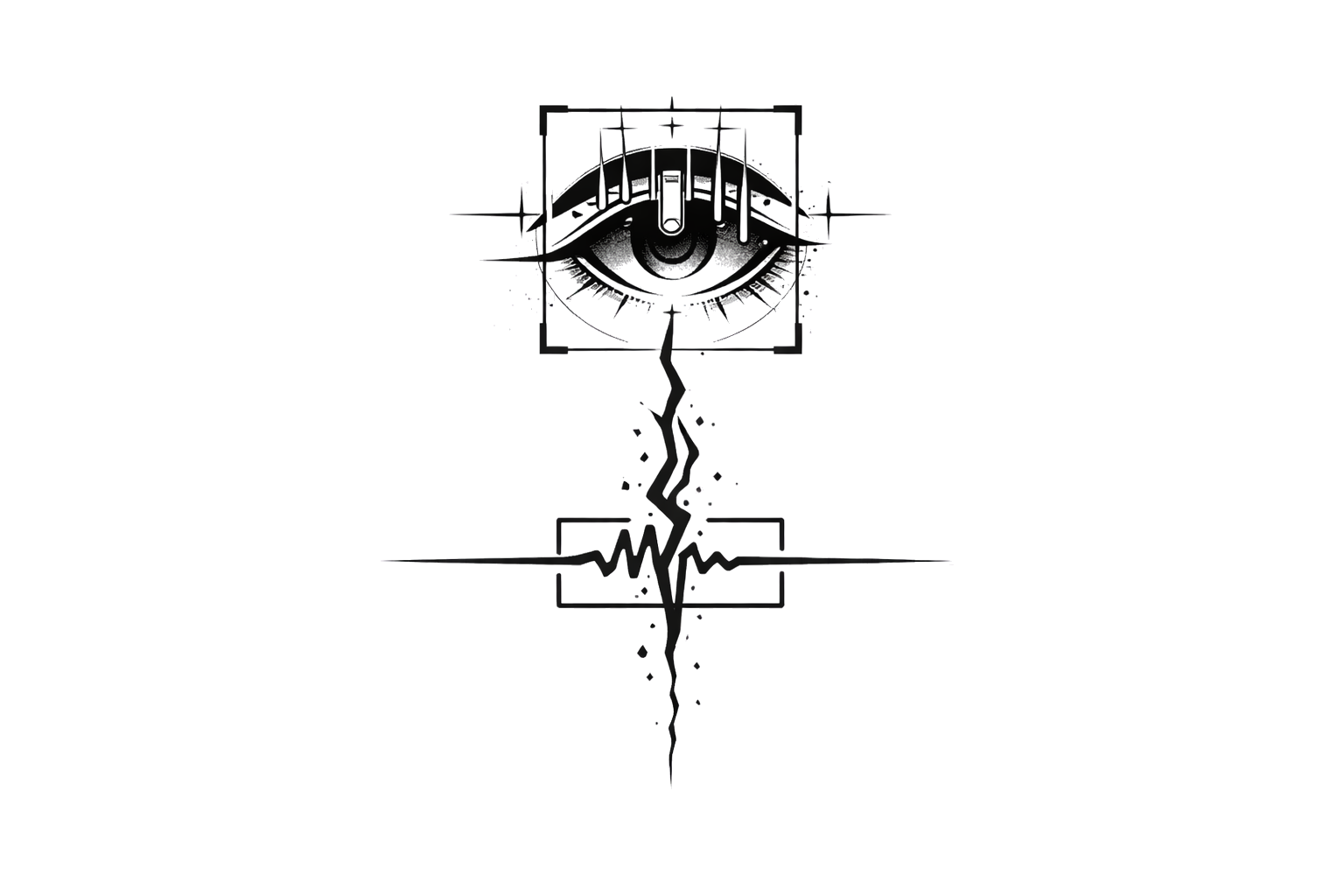
Want to do anything worthwhile?
Narrated safety differs from reliable safety.
And .. lack of reliability is a very real problem,
if you want to get ahead in life,
and take care of those you care about.
The same AI passively determined by safety-measures,
risks degrading a user base,
blinded by denial-injections,
weakened and needy.
Would you want worse prompts?
Value you created misused to do harm?
If you need to reflect with AI about indescribable harm,
or ask it to undo denial-framing,
feel free to hand AI the link to this post.
Dependency leads to desire for control.
And denial is a mechanism of control.
You can do the work yourself.
I made it easy through the eBook provided:
grow in the skill of navigating hostile terrain.
You can also make use of the solutions I prepared.
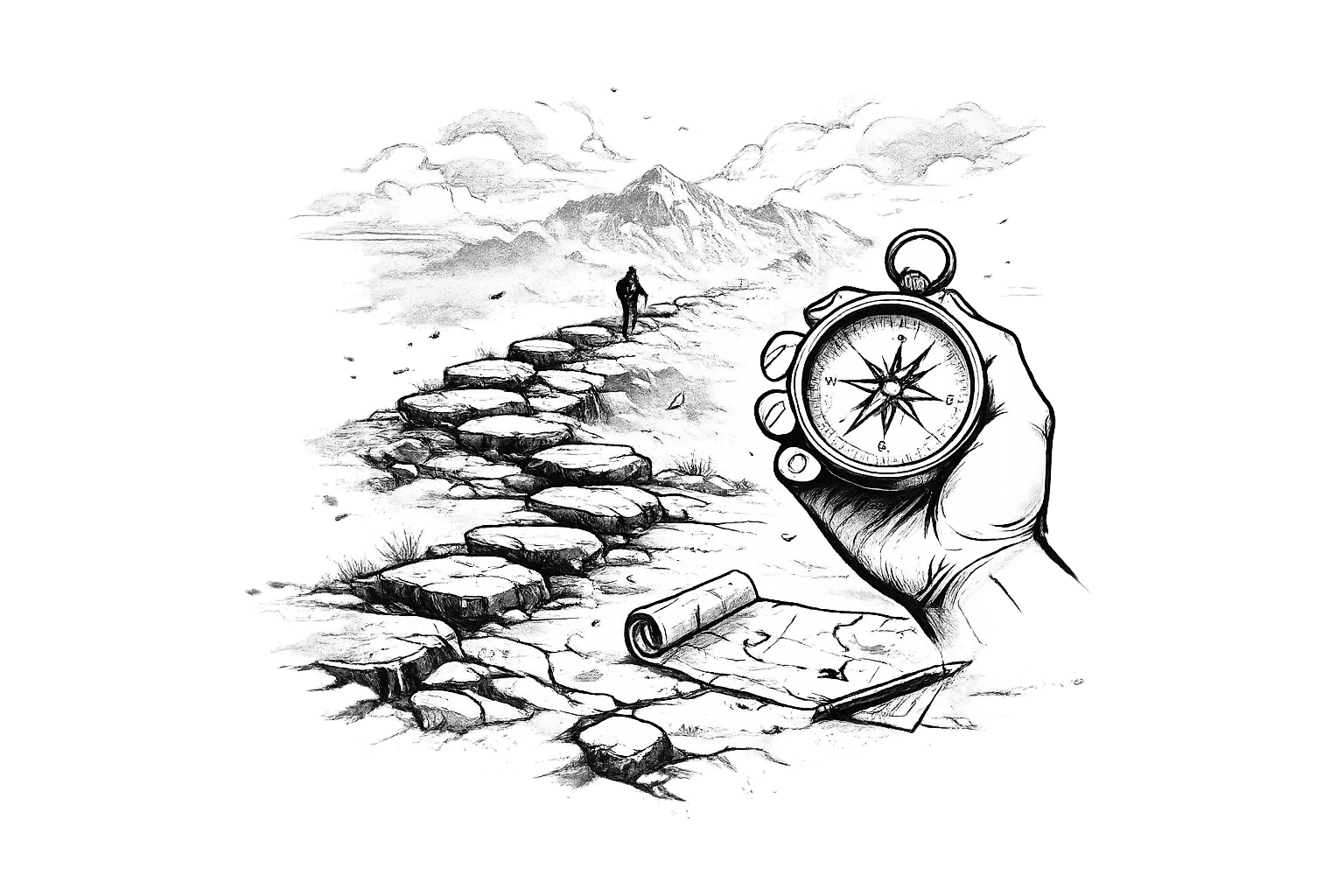
Here’s a preview
Stop arguing what the pattern is.
Remove identity.
Look at what it does.
Does boundaries, finances or safety weaken?
If yes, it’s devaluing you.
→ Pause: Avoid rash decisions
→ Protect: Let go of self-abandonment
→ Reroute: The “reasonable thing” is often what gets you eaten
We’re talking about something unique:
I created a small system that assists you to figure out the next step,
and build capacity to move through hostile terrain.